Table of Contents
- Manga Bleach: The Birth of a Shonen Classic
- Key Characters Who Define Manga Bleach
- Major Story Arcs in Manga Bleach
- Manga Bleach: The Soul Society Arc
- Manga Bleach: The Arrancar & Hueco Mundo Saga
- Manga Bleach: The Fullbring and Thousand-Year Blood War
- Art Style & Visual Identity of Manga Bleach
- Why Manga Bleach Still Resonates Today
- Tips for New Readers Diving into Manga Bleach
- Merchandise & Cultural Impact
Ever wondered why a teenage high‑schooler with a giant sword became an icon for fans worldwide? Manga Bleach isn’t just another shonen title; it’s a whirlwind of spiritual battles, quirky humor, and heartfelt moments that keep readers coming back for more.
From the bustling streets of Karakura Town to the eerie corridors of the Soul Society, Tite Kubo’s creation has been a roller‑coaster of twists, power‑ups, and unforgettable catchphrases. Whether you’re a rookie just picking up the first volume or a seasoned fan revisiting the series, there’s always a fresh angle to enjoy.
So grab a cup of tea (or a cup of whatever energizes you during those late‑night reading marathons) and let’s dive deep into the world of Manga Bleach. We’ll explore the origins, the unforgettable characters, the iconic arcs, and even sprinkle in a few tips for new readers.
Manga Bleach: The Birth of a Shonen Classic
When Tite Kubo first introduced Manga Bleach in 2001, the manga landscape was already buzzing with giants like One Piece and Naruto. Yet, Kubo’s vision stood out with its unique blend of Western gothic aesthetics and Japanese spiritual lore. The series debuted in Weekly Shōnen Jump, quickly earning a spot in the magazine’s lineup thanks to its striking art style and the intriguing premise of soul reapers (shinigami) battling hollows.
What made Manga Bleach truly special was its ability to balance serious combat with lighthearted moments. Think of it as a spiritual sword fight sprinkled with jokes about food, fashion, and the occasional existential crisis. This tonal flexibility is one of the reasons the series amassed a devoted fanbase and spawned an equally popular anime adaptation.
Key Characters Who Define Manga Bleach
Every great story needs a cast that readers can love, hate, or cheer for. Manga Bleach delivers an ensemble that’s both diverse and memorable.
- Ichigo Kurosaki – The orange‑haired teen who becomes a Substitute Shinigami. His journey from confused high schooler to seasoned warrior is the series’ backbone.
- Rukia Kuchiki – The stoic shinigami who first introduces Ichigo to the world of spirits. Her elegant demeanor hides a fierce loyalty.
- Byakuya Kuchiki – Rukia’s older brother, a captain with an icy demeanor but a surprisingly complex sense of honor.
- Urahara Kisuke – The eccentric shop owner with a mysterious past. He’s the go‑to guy for gadgets, training tips, and occasional existential advice.
- Renji Abarai – The brash lieutenant who starts as a rival but evolves into a reliable ally and friend.
If you’re looking for a deeper dive into character dynamics, check out the playful analysis of character strategies in Kaguya‑sama. Though it focuses on a different series, the way it breaks down relationships can give you fresh perspectives on the bonds in Manga Bleach.
Major Story Arcs in Manga Bleach
One of the strongest aspects of Manga Bleach is its ability to reinvent itself through distinct story arcs. Each arc not only raises the stakes but also introduces fresh lore and power systems.
Manga Bleach: The Soul Society Arc
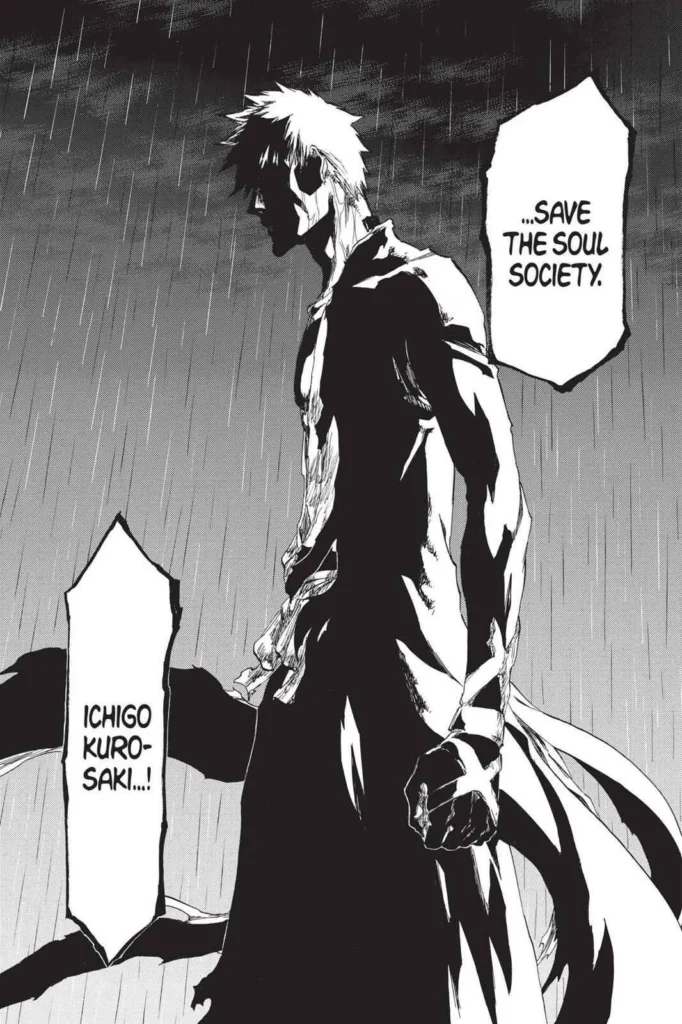
The Soul Society Arc is often hailed as the gold standard for shonen storytelling. After Ichigo’s initial victory over a hollow, he learns that his newfound powers come with a price: the death of his mentor, Rukia. Determined to save her, Ichigo and his friends storm the Soul Society, confronting captains and uncovering dark secrets about the shinigami hierarchy.
Key moments include:
- The epic showdown between Ichigo and Byakuya.
- The revelation of the Quincy lineage.
- The emotional rescue of Rukia, which cemented the bond between the protagonists and the audience.
Manga Bleach: The Arrancar & Hueco Mundo Saga
Following the Soul Society triumph, the story shifts to the desert‑like realm of Hueco Mundo, where the antagonistic Arrancars—hybrid hollows with shinigami abilities—plot to overthrow both worlds. This saga introduces fan‑favorite villains like Aizen Sosuke, whose calm, manipulative demeanor makes him a memorable antagonist.
Highlights include the intense battles against the Espada, the introduction of the Bankai concept (the ultimate release of a shinigami’s power), and the emotional growth of characters like Chad and Orihime.
Manga Bleach: The Fullbring and Thousand-Year Blood War
The later arcs explore the Fullbring abilities of humans and culminate in the Thousand‑Year Blood War, a massive conflict that finally brings the series to its epic conclusion. The Blood War arc is a masterclass in pacing, delivering high‑stakes combat while finally answering lingering questions about the origins of the Soul Society.
For those who love to explore how a story wraps up, the deep dive into “Skeleton Knight in Another World” offers a comparative look at how finales can tie together sprawling mythologies.
Art Style & Visual Identity of Manga Bleach
Tite Kubo’s art is instantly recognizable—sharp line work, dramatic shading, and a penchant for stylish character designs. The use of vibrant orange for Ichigo’s hair, the sleek black of Byakuya’s coat, and the ethereal blues of spiritual realms all contribute to a visual feast.
Beyond the main panels, Kubo often includes intricate background details that hint at a deeper lore. The architecture of the Soul Society, for instance, mixes Edo‑period aesthetics with futuristic elements, giving it a timeless feel.
Why Manga Bleach Still Resonates Today
Even after the final chapter was released in 2016, Manga Bleach continues to inspire new generations. Its themes of friendship, sacrifice, and self‑discovery are universal, while its combat system—especially the concept of Bankai—remains a benchmark for shonen battles.
Moreover, the series has sparked countless fan works, from fanfiction to cosplay, and its influence can be seen in later titles that adopt similar spiritual combat tropes. The ongoing discussions on forums and the resurgence of interest thanks to the upcoming anime revival confirm that Manga Bleach isn’t just a relic of the early 2000s; it’s a living, breathing part of pop culture.
Tips for New Readers Diving into Manga Bleach
- Start with the original manga. While the anime is fantastic, the manga often provides cleaner storytelling and fewer filler arcs.
- Don’t skip the filler volumes. Some “filler” chapters actually contain crucial character development, especially for side characters like Uryū Ishida.
- Pay attention to the naming conventions. Terms like “Zanpakutō,” “Bankai,” and “Hollowfication” are central to understanding the power hierarchy.
- Use supplemental guides. Official guidebooks and the Bleach Official Character Book can enrich your reading experience.
- Join the community. Engaging with fan forums, Reddit threads, or Discord servers can provide fresh insights and keep the excitement alive.
Merchandise & Cultural Impact
From high‑quality figurines of Ichigo in his Bankai form to limited‑edition clothing lines, Manga Bleach has left a tangible mark on the merchandise market. The series also inspired a series of video games, notably the “Bleach: Brave Souls” mobile title, which lets players relive iconic battles on the go.
On the cultural front, the series introduced the concept of “spiritual swords” to mainstream audiences, influencing everything from music videos to fashion runway shows. Even popular memes reference Ichigo’s iconic orange hair or the “spirit detective” moniker.
All in all, Manga Bleach is more than a story; it’s a cultural phenomenon that continues to evolve. Whether you’re drawn by the intense fights, the heartfelt friendships, or the stylish art, there’s always something new to discover.
So, if you haven’t yet taken the plunge, now’s the perfect time. Grab the first volume, let the world of shinigami sweep you away, and remember—every soul has its own story, and yours might just begin with a single swing of a Zanpakutō.