Table of Contents
- Why Manhua Tales of Demons and Gods Captivates Readers
- Key Elements That Make Manhua Tales of Demons and Gods a Must‑Read
- Plot Overview: From Catastrophe to Second Chance
- Character Spotlight: Nie Li’s Evolution
- Artistic Style: Visuals That Pop
- How the Art Enhances the Storytelling
- Impact on the Manhua Community and Beyond
- Why It Resonates With Modern Audiences
- Where to Start and How to Keep Up
Ever stumbled upon a comic that feels like a roller‑coaster ride through ancient myth, high‑octane battles, and a sprinkle of modern humor? If you haven’t yet, the Manhua Tales of Demons and Gods might just be the ticket. Originating from China’s booming web‑novel scene, this series has captured the hearts of readers worldwide with its clever blend of reincarnation tropes, strategic cultivation, and a protagonist who’s as witty as he is powerful.
What makes Manhua Tales of Demons and Gods stand out among the sea of fantasy comics? For starters, the premise is simple yet irresistible: after a catastrophic battle that wipes out his city, the hero, Nie Li, is reborn with all his memories intact. Armed with knowledge from his previous life, he sets out to rewrite destiny, protect his loved ones, and—of course—have a little fun along the way. It’s a recipe for endless plot twists, strategic mind games, and those “aha!” moments that make you shout “I knew that!” before the next chapter even begins.
If you love stories where the main character gets a second chance at life, think of it as a cross‑breed between a time‑travel drama and a cultivation saga, spiced up with modern slang, cheeky jokes, and an art style that’s as vibrant as a fireworks display. Ready to dive in? Let’s unpack why this manhua has become a beloved staple for fantasy lovers.
Why Manhua Tales of Demons and Gods Captivates Readers
First and foremost, the series nails the “reincarnation with memories” hook. Nie Li’s ability to remember his past life gives him a massive strategic edge. He knows the enemy’s moves before they even make them, and he can train his allies with techniques that would otherwise be lost to history. This foresight creates a chess‑like feel to the battles, where every move is calculated and every victory feels earned.
But it’s not just about the fights. The world‑building in Manhua Tales of Demons and Gods is a love letter to Chinese mythology. From ancient spirit beasts to celestial realms, each location feels steeped in lore, yet the author—Mi Er—keeps it accessible for newcomers. The balance between grand mythology and intimate character moments is where the magic truly happens.
Key Elements That Make Manhua Tales of Demons and Gods a Must‑Read
- Strategic Cultivation: Nie Li’s knowledge of cultivation techniques lets him leapfrog the usual “train‑for‑years” trope, offering fresh takes on power scaling.
- Dynamic Characters: From the fiercely loyal Xiao Wu to the enigmatic demon king, each supporting cast member has a distinct personality and growth arc.
- Humor & Relatability: Despite the high‑stakes world, Nie Li often drops modern slang, jokes about his own “old man” wisdom, and even memes—making him feel like a friend you’d want to chat with over coffee.
- Stunning Artwork: The manhua’s panels are crisp, with vibrant colors that highlight the energy of each battle and the serenity of quieter moments.
- Emotional Stakes: The series never forgets that behind the epic battles are genuine relationships—friendship, love, and the desire to protect a home that was once lost.
For those who love a good deep dive into similar worlds, you might also enjoy Manhua Starting With The Transmigration – A Playful Guide. That article walks you through the broader genre, giving context to why reincarnation stories like Tales of Demons and Gods have such a magnetic pull.
Plot Overview: From Catastrophe to Second Chance
The opening arc of Manhua Tales of Demons and Gods is a whirlwind. Nie Li, once a top disciple of the Sacred Family, witnesses his world crumble under the onslaught of the Nine Dark Tribes. In a dramatic turn of fate, he’s reborn as a ten‑year‑old with all his memories intact. This second chance isn’t just about survival—it’s about preventing the same tragedy from ever happening again.
Armed with future knowledge, Nie Li quickly identifies the weak points in his enemies’ strategies. He starts by rescuing his childhood friend, Xiao Wu, who becomes a cornerstone of his new team. Together, they begin assembling a group of talented individuals—each with unique abilities and hidden potential. Think of it as assembling a superhero squad, but with more swords, spells, and soul‑binding contracts.
What follows is a series of arcs that blend arena battles, mystical quests, and political intrigue. Nie Li’s journey is not linear; he often revisits past decisions, refines techniques, and even manipulates timelines to ensure a better outcome. The narrative cleverly weaves humor into tense moments, making the reading experience feel like a conversation with a witty friend who just happens to be a god‑level fighter.
Character Spotlight: Nie Li’s Evolution
Nie Li’s growth is the heartbeat of the manhua. Starting as a child with the mind of a seasoned warrior, he balances his strategic brilliance with a childlike curiosity that endears him to readers. Over the chapters, he evolves from a lone savior into a true leader, learning to trust his comrades and occasionally letting go of his obsessive need to control every outcome.
His relationship with Xiao Wu showcases this shift beautifully. Xiao Wu, initially a timid girl rescued from a dark fate, blossoms into a fierce warrior under Nie’s guidance. Their bond is a blend of mentorship, friendship, and an unspoken promise to protect each other—adding emotional depth to the otherwise action‑packed storyline.
If you’re curious about how other protagonists handle the “second chance” theme, the Manga Chainsaw Man – A Playful Deep Dive into the Devil‑Infested World offers a contrasting perspective, focusing more on chaos than calculated strategy.
Artistic Style: Visuals That Pop
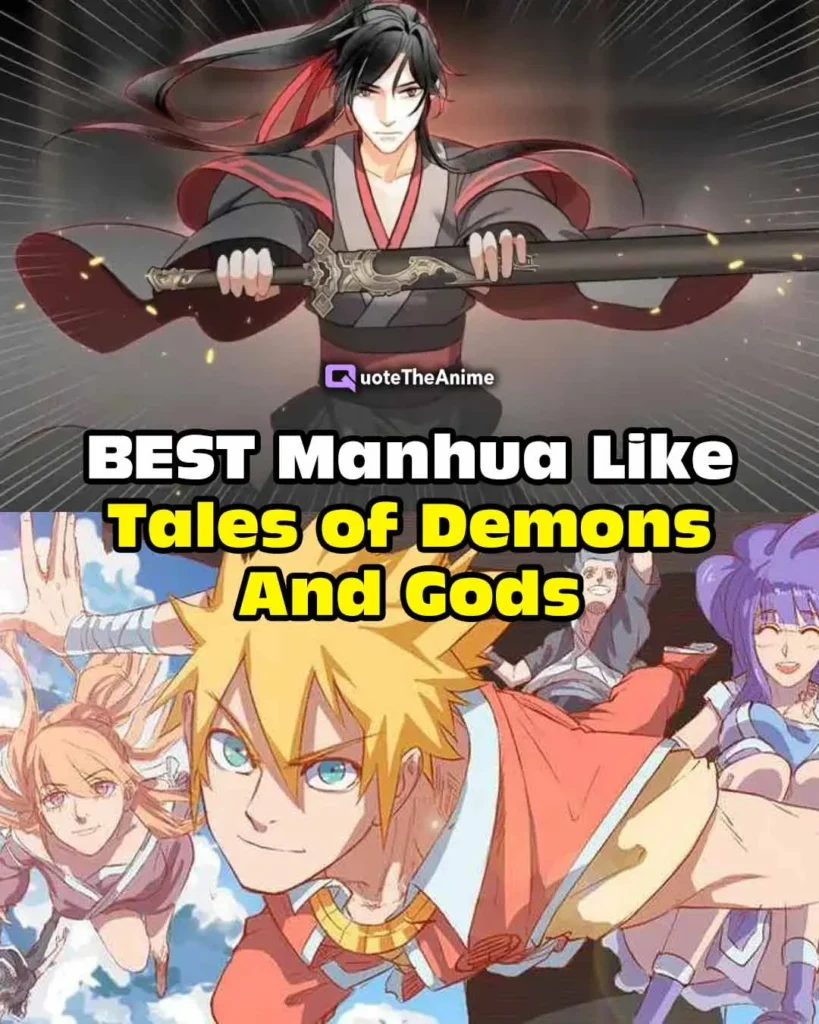
One of the biggest draws of Manhua Tales of Demons and Gods is its artwork. The lines are clean, the colors pop, and the fight scenes are choreographed like a well‑rehearsed dance. Each character design feels distinct, from Nie Li’s sharp eyes that seem to pierce through any deception to the elaborate armor of the demon kings.
Special mention goes to the background art. Whether it’s the misty mountains of the Sacred Family’s domain or the bustling streets of the Spirit City, each setting feels alive. The use of lighting—soft glows for calm moments and harsh, saturated tones for epic battles—helps set the mood without needing extra narration.
How the Art Enhances the Storytelling
- Dynamic Panel Layouts: Battles are often shown from multiple angles, giving readers a 360‑degree view of the action.
- Expressive Facial Features: Even silent panels convey emotion through subtle changes in eyes or mouth shape.
- Symbolic Color Palettes: Each faction has a signature hue, making it easy to track allegiances at a glance.
These visual cues make the series accessible even for those who might skim through the dialogue. The art does the heavy lifting, ensuring that every twist feels impactful.
Impact on the Manhua Community and Beyond
Since its debut in 2015, Manhua Tales of Demons and Gods has amassed a massive fanbase across Asia and the West. It’s been translated into multiple languages, streamed on platforms like Webnovel, and inspired countless fan‑art pieces, cosplay outfits, and even tabletop RPG adaptations. The series has also sparked discussions about the evolution of cultivation stories—showcasing how a classic trope can be refreshed with smart storytelling and modern humor.
Critics often praise the series for balancing power‑scaling with genuine character moments. While some early chapters lean heavily on exposition, the pacing improves dramatically as Nie Li’s plans unfold, keeping readers hooked episode after episode.
Why It Resonates With Modern Audiences
In an age where “reset” narratives dominate (think video games and streaming series), Manhua Tales of Demons and Gods offers a fresh take: the protagonist doesn’t just start over—he leverages past mistakes to build a better future. This mirrors real‑life lessons about learning from failures, making it surprisingly relatable despite its fantastical setting.
Moreover, the series doesn’t shy away from humor. Nie Li’s occasional meta‑comments—like joking about “spoilers” before a major reveal—create a playful rapport with the reader, breaking the fourth wall just enough to feel inclusive without breaking immersion.
Where to Start and How to Keep Up
If you’re new to the series, the best entry point is the official Webnovel page, where chapters are released regularly and often come with community translations. For those who prefer visual media, the animated adaptation (donghua) offers a concise version of the early arcs, though the manhua remains the gold standard for detailed storytelling.
To stay updated, consider joining fan forums or Discord servers dedicated to the series. They’re great places to discuss theories, share fan‑art, and get notified about new releases or special events. And if you ever feel stuck, revisiting earlier chapters can be rewarding—details you missed the first time often become crucial later on.
For a quick refresher on similar themes, the article Live Action Erased (Boku dake ga Inai Machi) – A Playful Deep Dive into the Time‑Twisting Thriller provides an excellent look at how time‑travel narratives can be executed in a different medium.
In short, whether you’re a seasoned cultivation fan or a newcomer eager for an epic adventure, Manhua Tales of Demons and Gods offers a rich tapestry of strategy, humor, and heartfelt moments. Its blend of strategic depth, lovable characters, and stunning visuals makes it a standout title in the ever‑growing world of manhua.
So grab a cup of tea, find a comfy spot, and let Nie Li guide you through a world where destiny isn’t fixed—it’s rewriteable, one clever move at a time.